

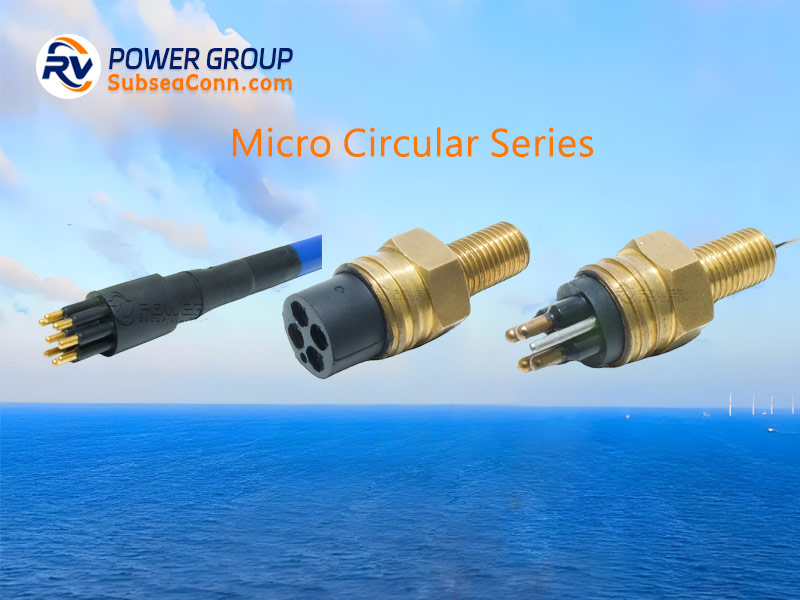
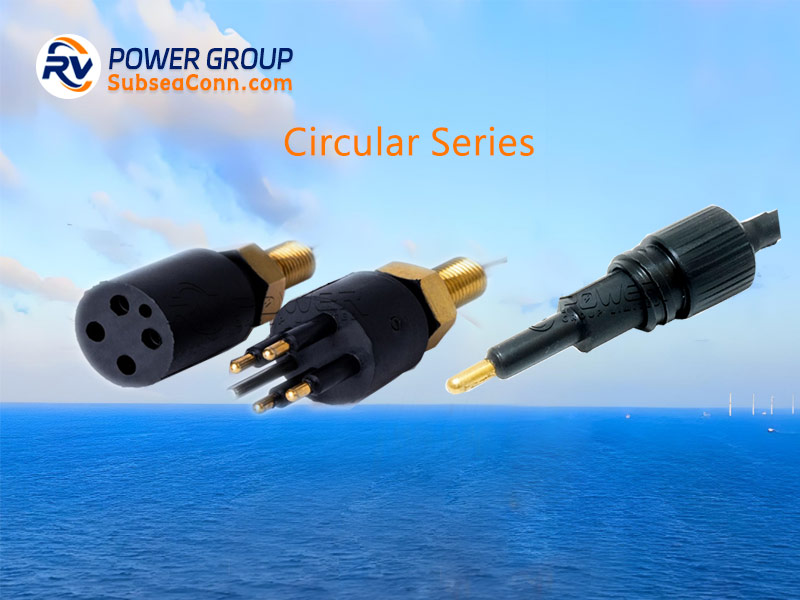
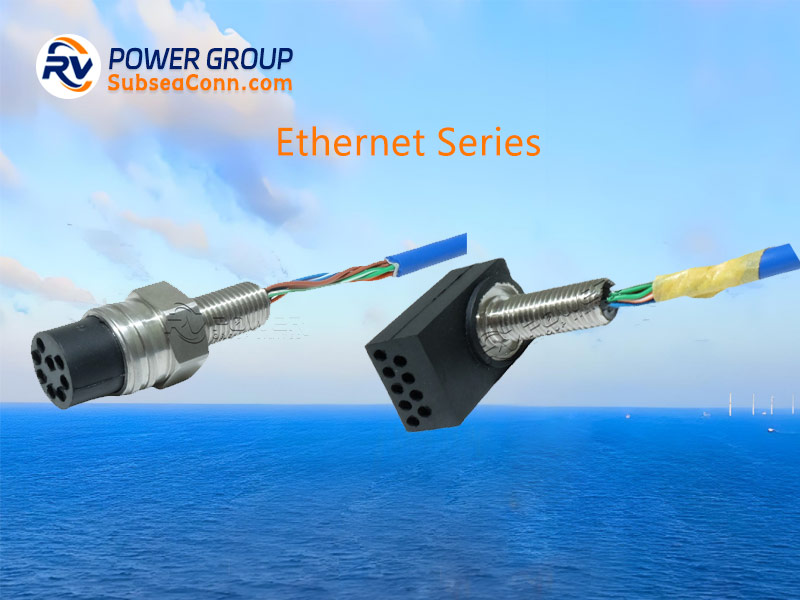
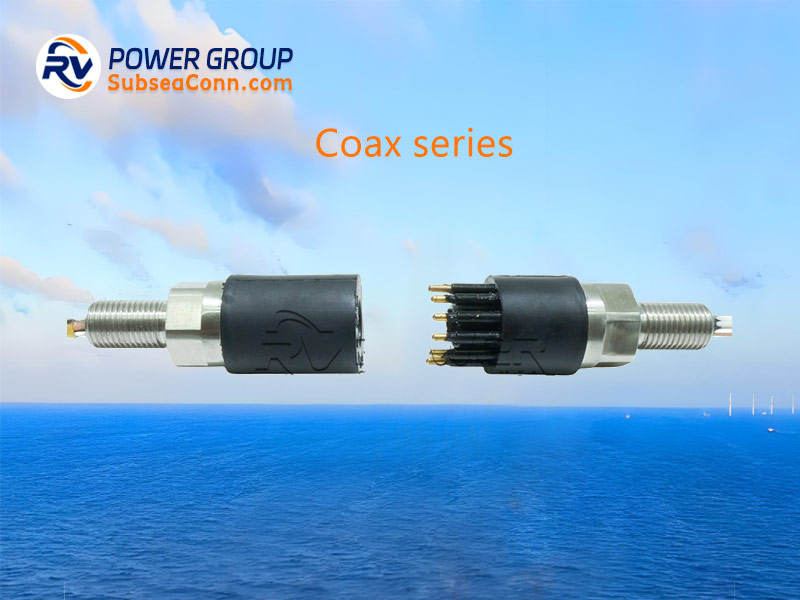
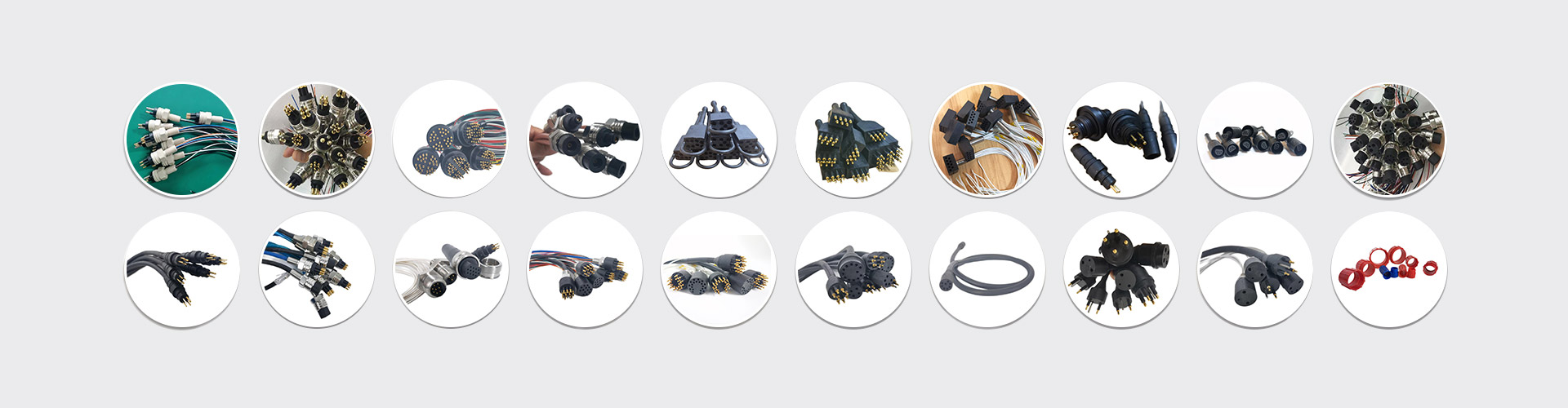
New details: The selection of ROV connectors shall match the operating depth, electrical requirements and environmental working conditions.
The selection of ROV connectors shall match the operating depth, electrical requirements and environmental working conditions. Standard installation and maintenance procedures must be followed to ensure long-term stable operation.
I. Core Selection Parameters
Pressure Resistance Grade: Match the maximum operating depth of the ROV. For example, a depth of 1000 meters requires a pressure rating of no less than 1500PSI, and 3000 meters requires no less than 4500PSI.
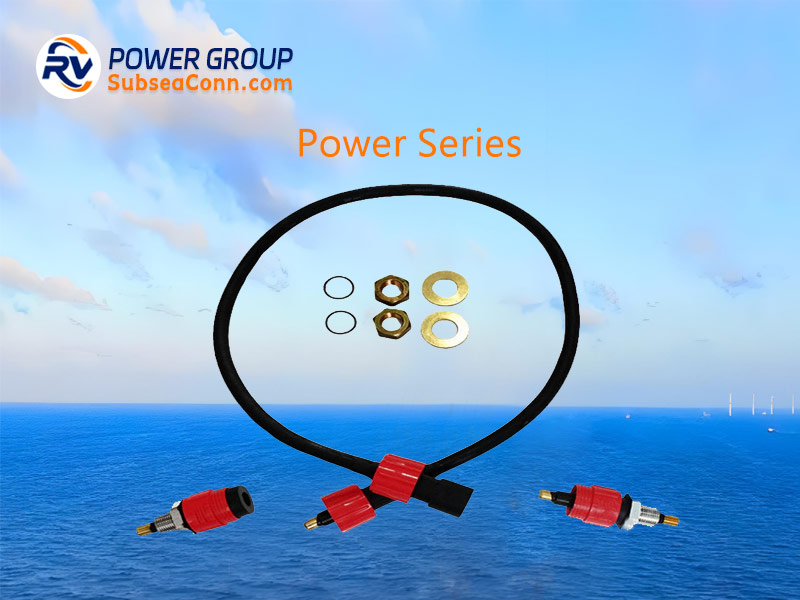
Voltage: Choose 48V/24V for power supply circuits, and 7500V grade for high-voltage equipment (e.g. Amphenol ZEUS Series).
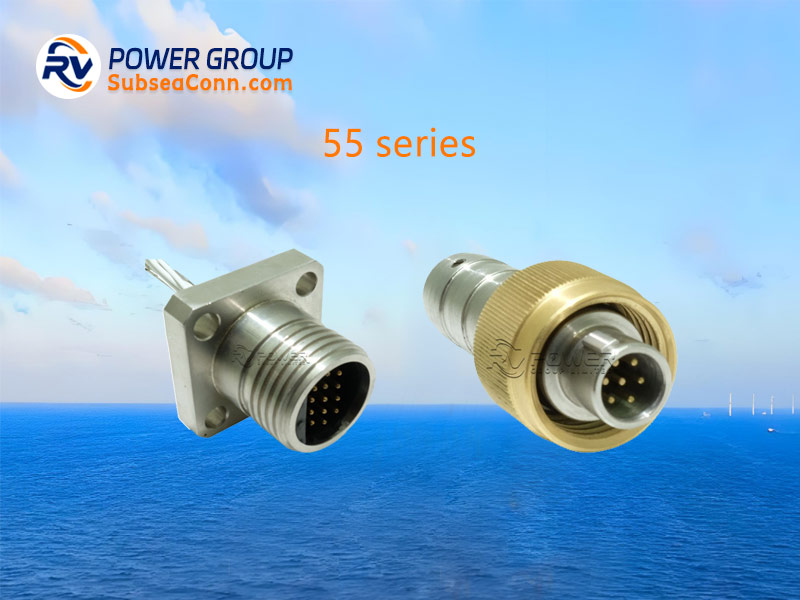
Core Quantity: Prioritize multi-core integration (such as 9-core) for signal circuits to reduce the number of interfaces.
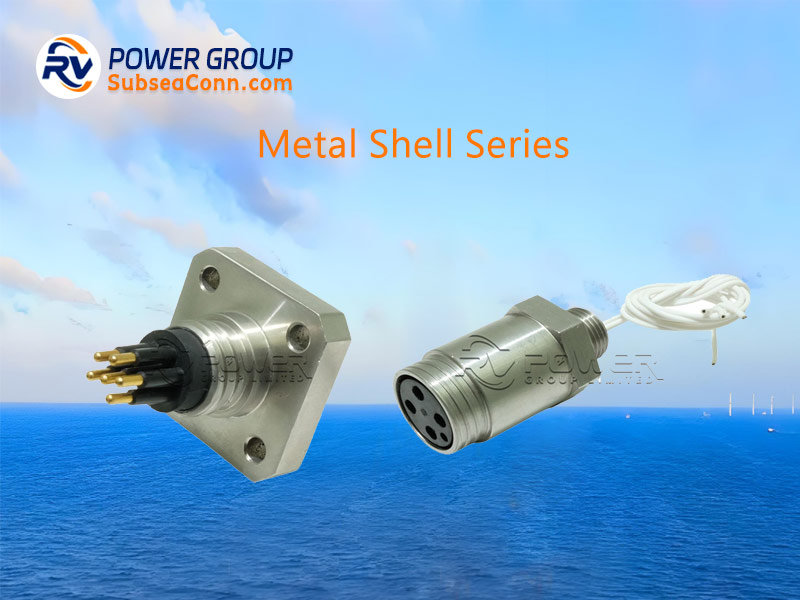
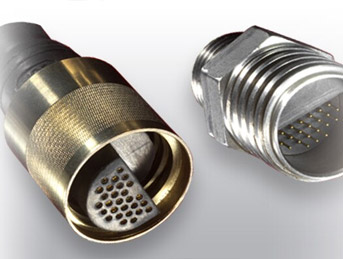
Housing: Adopt 316 stainless steel for shallow sea use; titanium alloy or GRE material for deep sea and highly corrosive areas.
Seals: Fluororubber for seawater environments, silicone rubber for low-temperature environments.
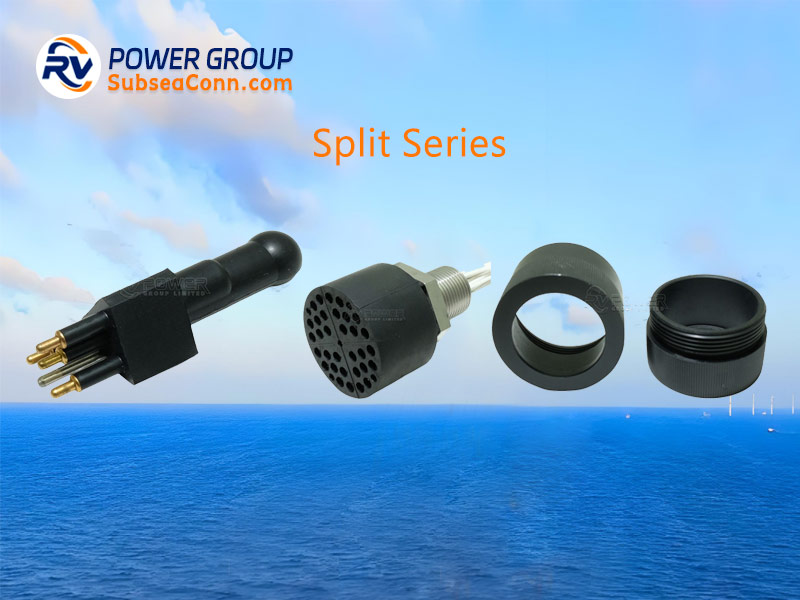
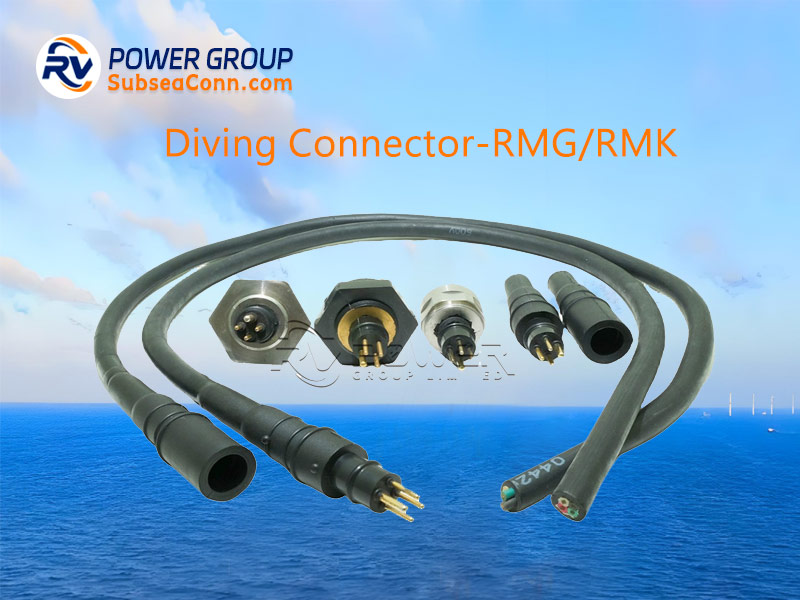
Mating Requirements: Select wet-mate type for frequent underwater equipment replacement; choose dry-mate type for fixed connections to cut costs.
II. Configuration for Typical Application Scenarios
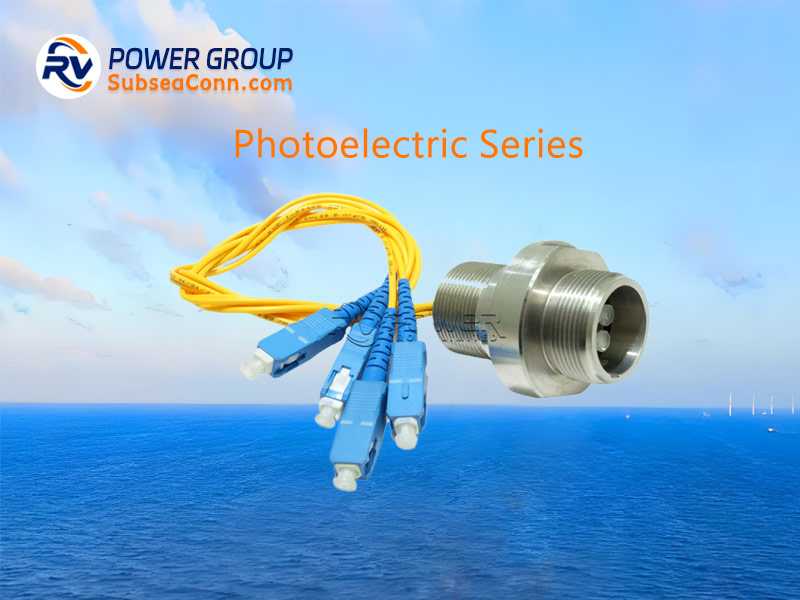
Small Inspection ROV (e.g. VideoRay): Equipped with 8-core umbilical cable connectors (power + RS-485), 5-core thruster connectors and 9-core accessory connectors to meet basic operation demands.3000-meter-class Deep-sea Operation ROV: Matched with TE SEA-MATE high-voltage connectors, OPTI-CON fiber optic connectors and hydraulic connectors, suitable for oil & gas exploration and deep-sea salvage.
III. Key Points of Installation & Maintenance
Installation: Clean pins and sockets before connection. Align the guide grooves for wet-mate connectors, and pull gently after locking to check firmness.Maintenance: Rinse connectors with fresh water after operation, inspect seals for aging and pins for corrosion. Apply anti-corrosion oil and fit protective caps when idle for a long time.
Prohibitions: Do not exceed rated pressure resistance and current. Avoid forced wet mating/unmating in rapid currents or low visibility conditions to prevent interface damage.