

New details: Encomara's Squid mooring and power-cable interface has reached TRL 7/8 with ABS confirmation it is ready for commercial manufacture, pre-installing moorings, dynamic cables and wet-mate connectors in a single 40-tonne subsea unit for floating wind.
Encomara, the Aberdeen-based subsea engineering company owned by Aurora Energy Services, has taken its Squid connection system for floating offshore wind to Technology Readiness Level 7/8 following a series of inshore trials at the Ardersier Energy Transition Facility near Inverness. The American Bureau of Shipping (ABS) oversaw the trials and has confirmed the system as ready for commercial manufacture at scale.
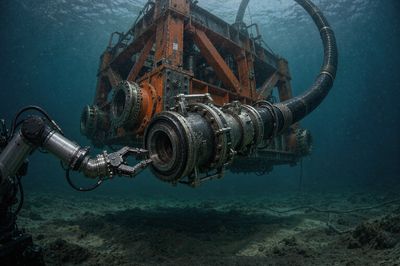
Squid is understood to be the first universal mooring and power-cable interface developed specifically for floating wind. Instead of installing moorings and dynamic cables as separate offshore campaigns, the system carries both — along with the subsea connectors that terminate them — in a single 40-tonne unit that is held in mid-water above the seabed and pre-installed before a turbine ever arrives on site.
What the trials actually demonstrated
The test programme covered the full envelope of remotely operated vehicle (ROV) work that a commercial project would require: deployment through a buoy hook-up, latching, and cable pull-in. Squid was deployed subsea, then raised and clamped into a full-scale floating I-tube structure that mimicked the hull interface of a floating turbine, so the geometry and tolerances matched a real hook-up rather than a bench mock-up.
The qualification path has been incremental. ABS granted Approval in Principle in November 2025, followed by Product Design Assessment certification in June 2026, and now TRL 7/8. “Securing TRL8 status marks the final step in the qualification of our technology ready for deployment,” said Ian Donald, Managing Director of Encomara. “It demonstrates that the Squid system has been successfully proven at full scale and is now ready to move into commercial manufacture.”
The commercial case being made
Modelling supported by Scottish Enterprise and project developers estimates that the approach could reduce the levelised cost of energy of a floating wind development by up to 20 per cent over its lifetime, with installation time cut by as much as half against conventional methods and savings of up to GBP 1 billion per gigawatt of installed capacity cited in earlier assessment work.
The mechanism is straightforward: pre-installed moorings and cables remove the weather-window bottleneck that governs offshore hook-up campaigns, and the same interface supports disconnection so a turbine can be towed to port for major maintenance instead of being serviced in the field. Encomara expects around 130 manufacturing and project delivery jobs to be created at Aurora facilities in Huntly and Inverness by 2030. Squid was shown to developers at the Floating Offshore Wind 2026 exhibition in Aberdeen on 7–8 October.
What it demands from the connector interface
For the subsea interconnect supply chain, the significance is in what a pre-installed, repeatedly re-mateable interface implies for hardware. A connection that is made and broken many times over a 25-year field life, by ROV, in tidal current, and that must survive being parked in mid-water for months before first hook-up, pushes wet-mate designs well beyond a single-shot installation rating.
Four requirements stand out. First, mate cycle endurance and seal life under repeated ROV mating, not just a one-off pressure test. Second, alignment tolerance that accommodates vehicle station-keeping error without damaging ferrules or contact pins. Third, cathodic protection and material selection for long-term immersion in a dynamically loaded cable termination. Fourth, an optical or hybrid channel count that leaves headroom for the monitoring and communications the operator will want to add later in field life.
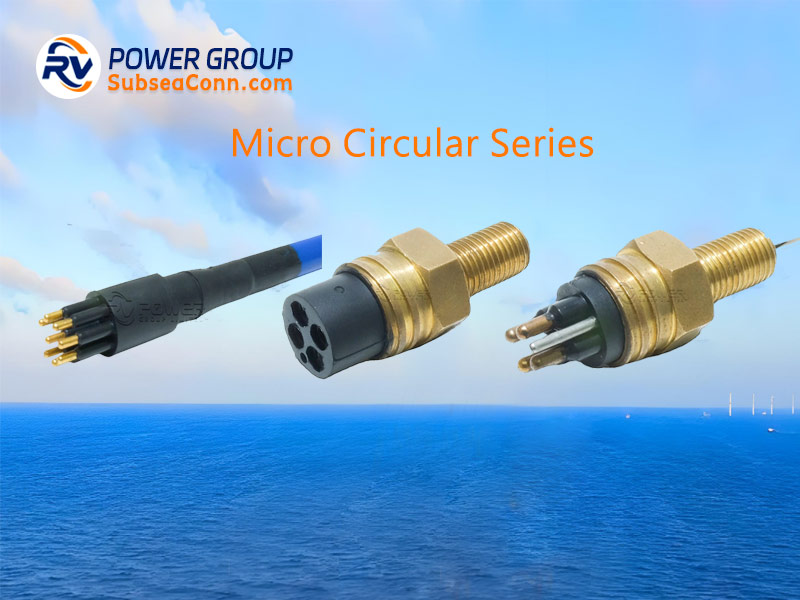
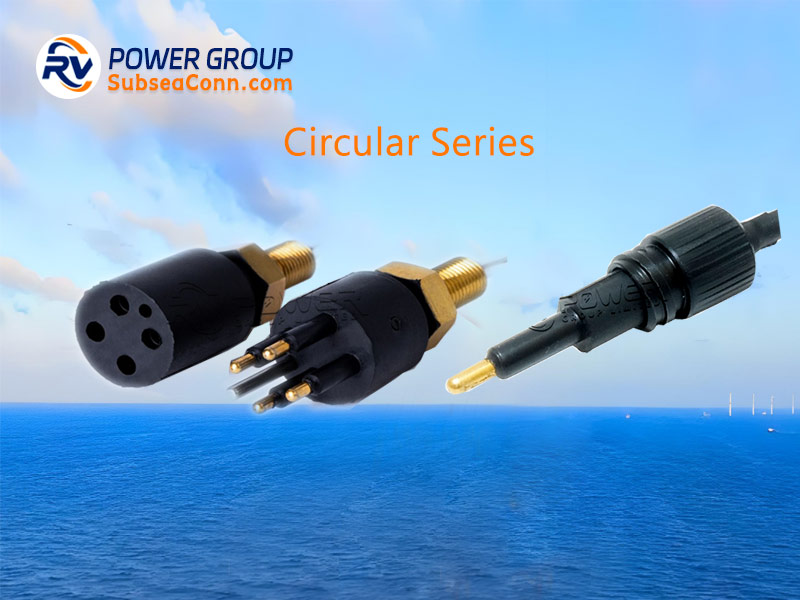
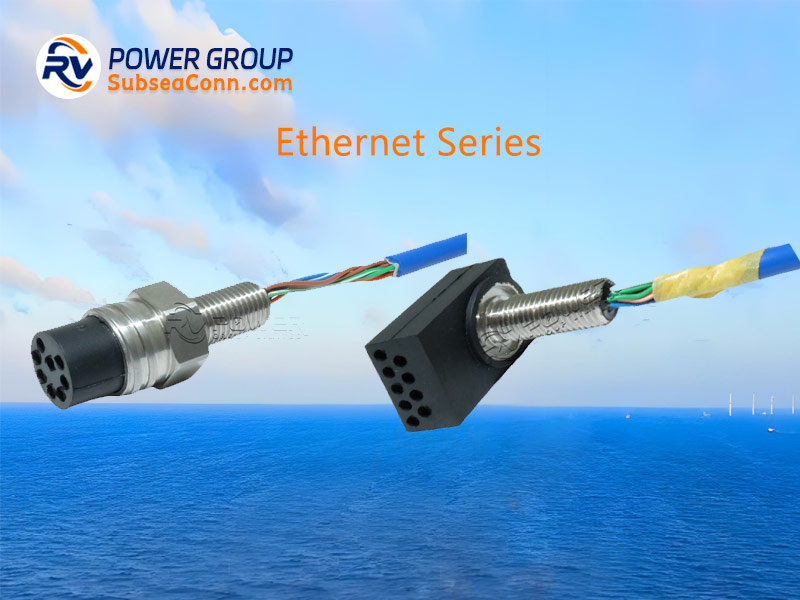
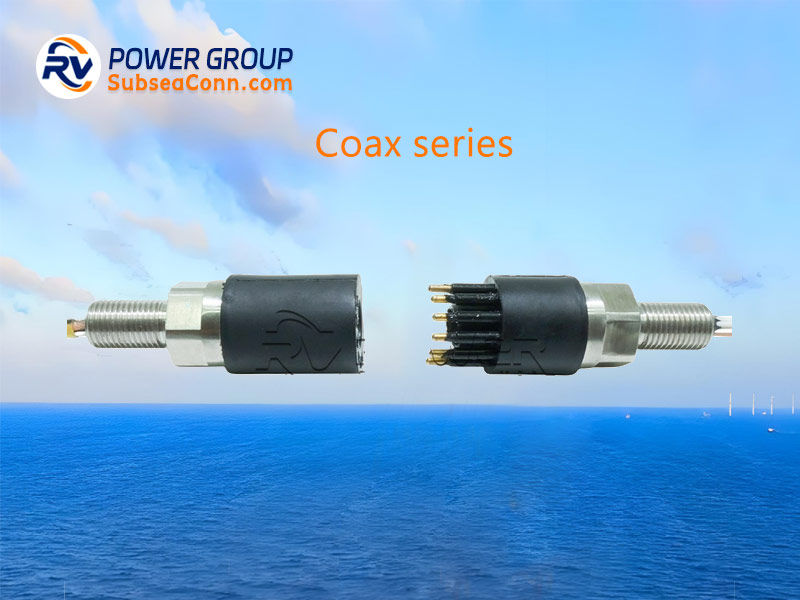
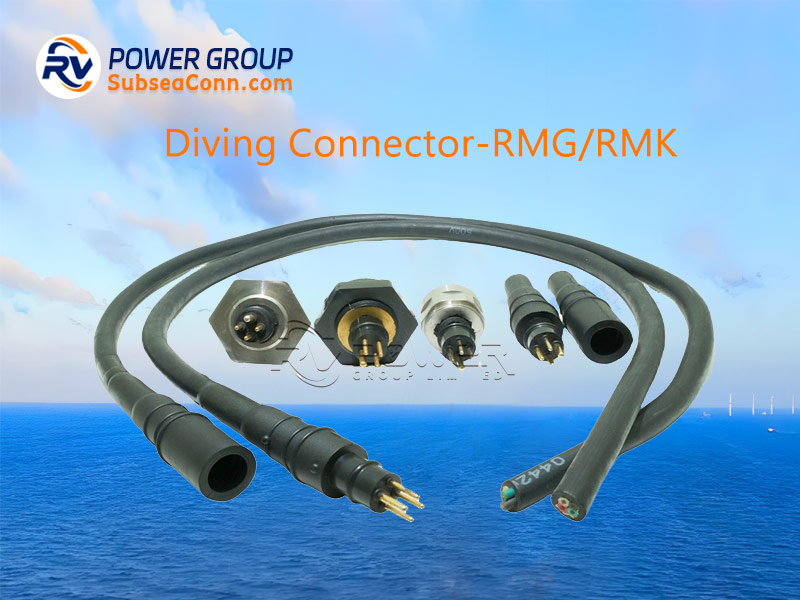
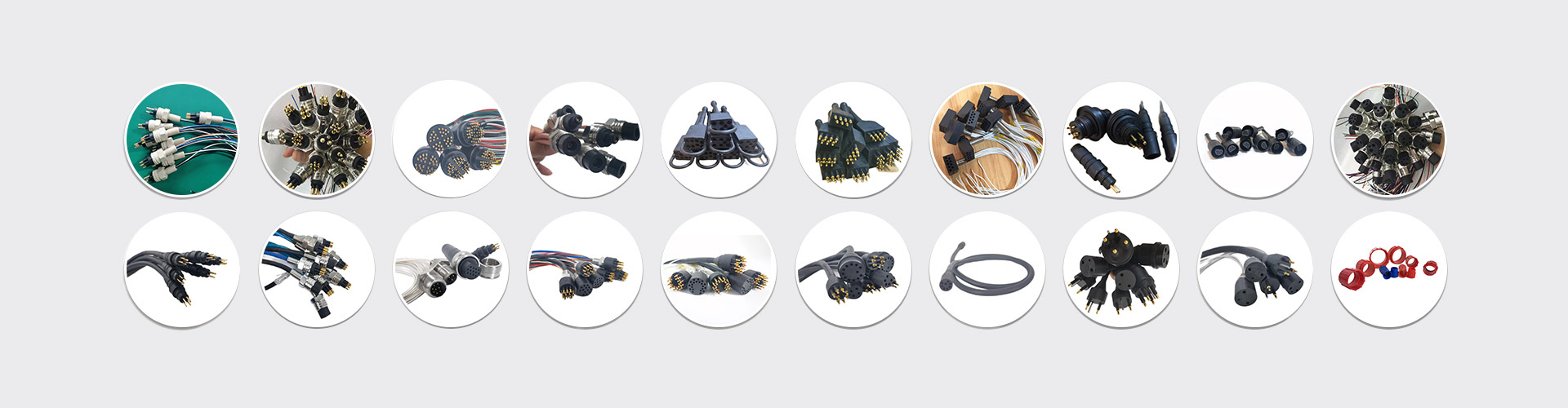
RV POWER GROUP builds wet-mate and dry-mate underwater connectors, penetrators and cable assemblies rated to 7,000 metres, including high-voltage power connectors for offshore wind array and export applications. For a cross-reference against a floating wind connection architecture, contact [email protected].
Source: Aurora Energy Services — Encomara’s Squid connection system reaches commercialisation and offshoreWIND.biz (28 August 2026)