

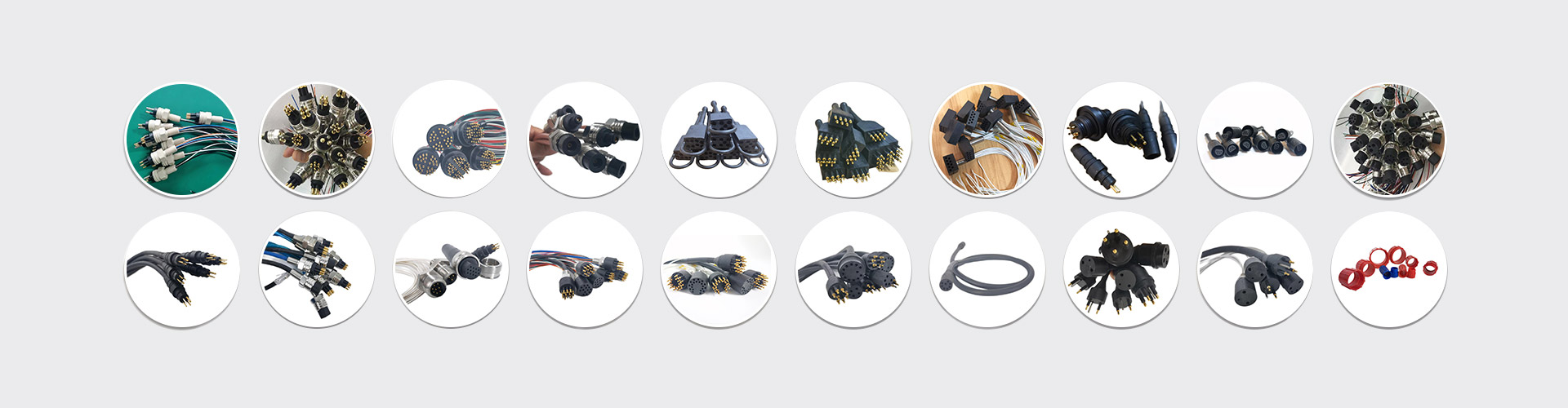
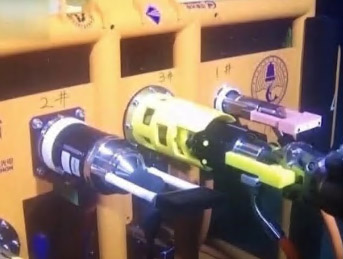
New details: Today, the industry is witnessing a massive paradigm shift toward "resident AUVs" that can remain stationed on the seabed for months at a time.
Next-Gen Wet-Mate Connectors Pave the Way for True Subsea AUV Autonomy
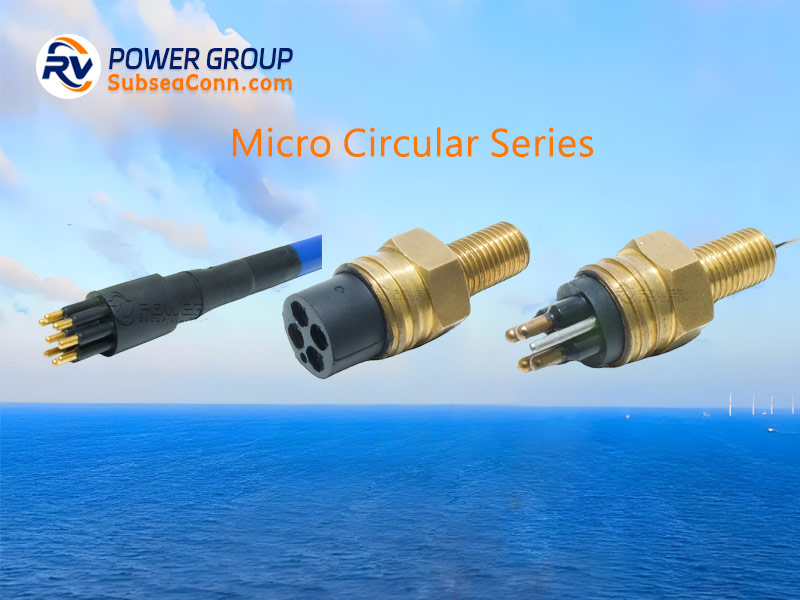
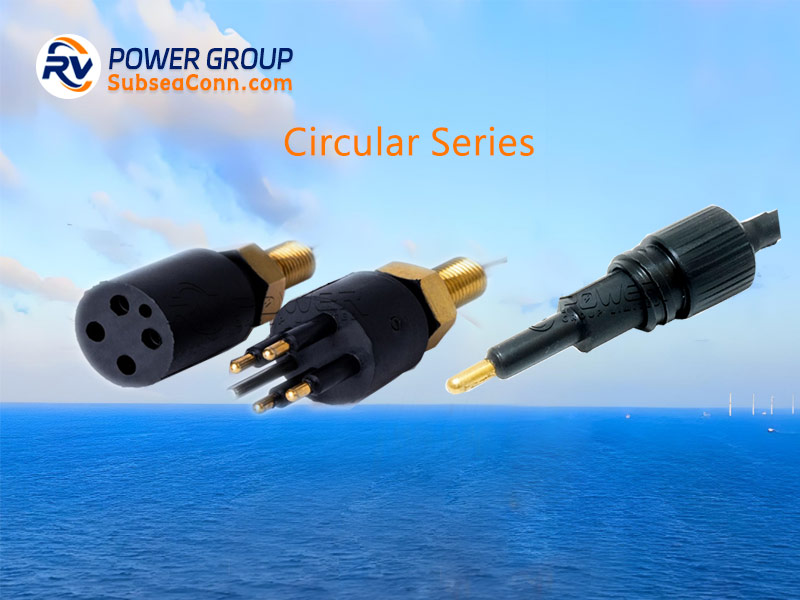
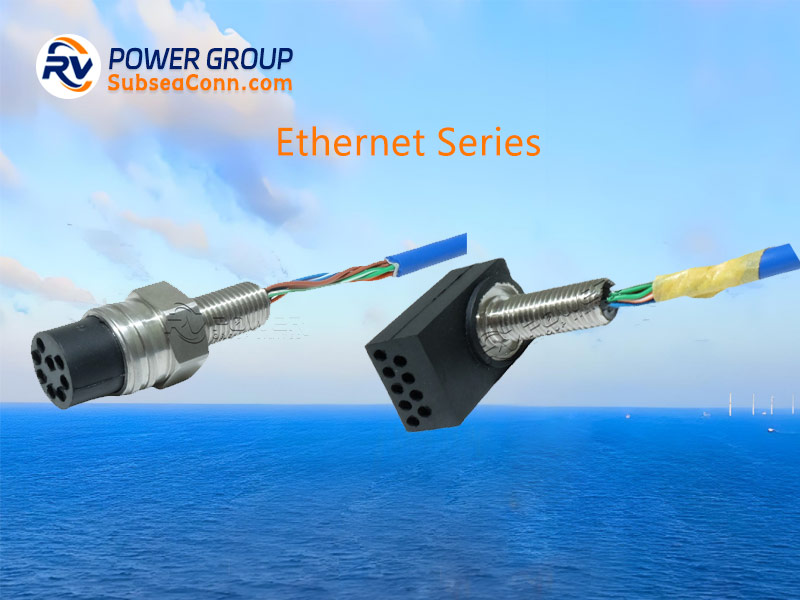
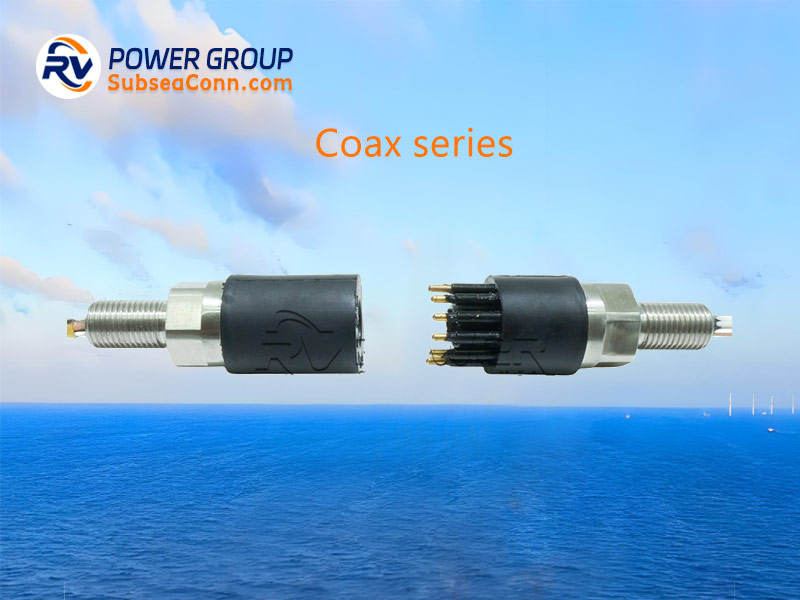
HOUSTON / LONDON — As the global offshore energy sector and naval defense programs accelerate their pivot toward long-endurance ocean exploration, advanced subsea connectors are emerging as the unsung heroes enabling the next generation of Autonomous Underwater Vehicles (AUVs) and resident docking stations.Historically, AUVs were limited by battery capacity, requiring frequent retrieval to the surface for recharging and data offloading—a process that is both costly and highly dependent on weather conditions. Today, the industry is witnessing a massive paradigm shift toward "resident AUVs" that can remain stationed on the seabed for months at a time. This technological leap hinges entirely on the reliability of underwater wet-mate (wet-pluggable) connectors.
Breaking Technological Barriers in Harsh Environments
The latest generation of electrical and fiber-optic wet-mate connectors is designed to withstand the crushing pressures of ultra-deepwater environments (down to 3,000+ meters) while maintaining pristine signal integrity.
Key technical advancements driving the market include:
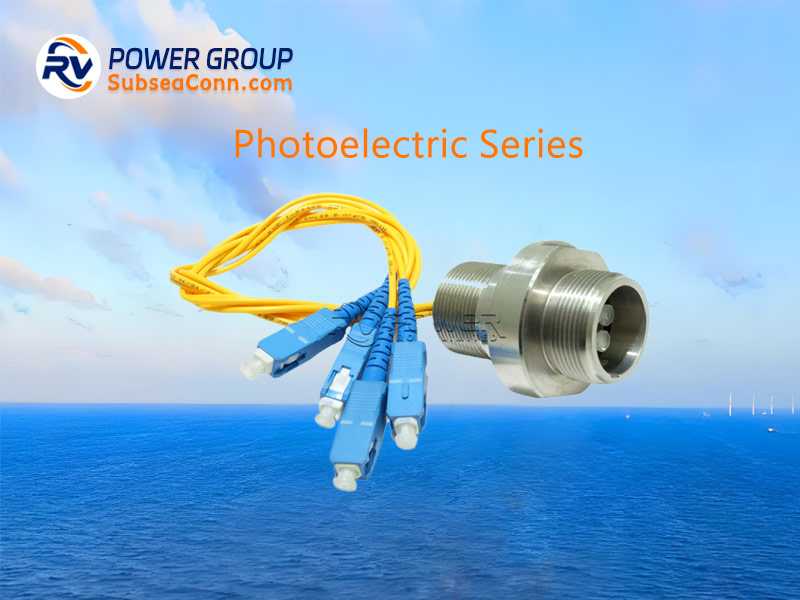
ROV and AUV Auto-Docking Compatibility: New high-precision, low-insertion-force designs allow AUVs to seamlessly pilot into subsea docking cages, aligning and mating both high-power charging links and high-bandwidth fiber optic connections automatically without human intervention.
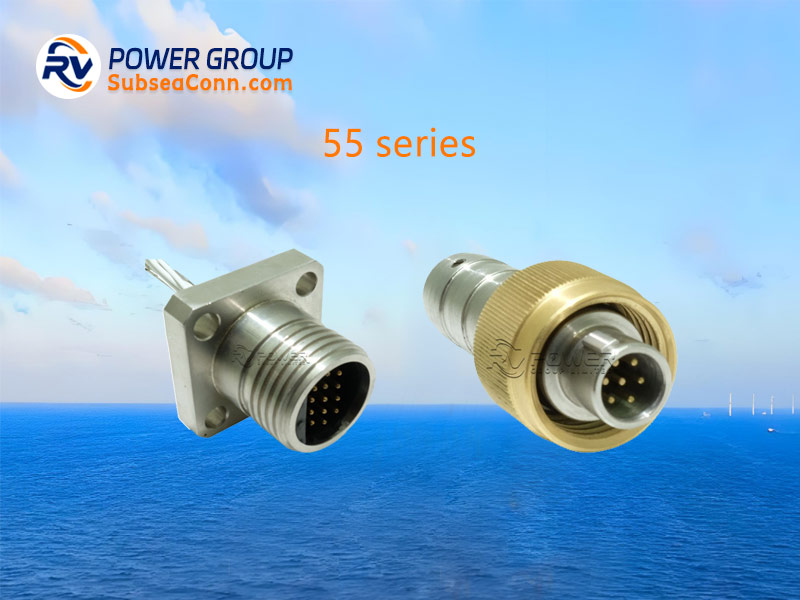
Advanced Sealing & Corrosion Resistance: Utilizing specialized elastomeric seals and corrosion-resistant alloys (such as Titanium and Super Duplex stainless steel), these connectors prevent water ingress and galvanic corrosion during long-term subsea immersion.
Enhanced Contact Reliability: Advanced oil-filled balancing chambers protect the electrical and optical contacts from deep-sea silt, marine growth, and extreme hydrostatic pressures during the mating cycle.
Shifting Competitive Landscape
While established Western giants like TE Connectivity, Teledyne Marine, and MacArtney continue to dominate the deep-sea, high-reliability segment, the global supply chain is diversifying rapidly.Driven by expanding investments in offshore wind, tidal energy, and deep-sea hydrocarbon exploration, international competition is heating up. Notably, Asian manufacturers are making significant breakthroughs. Companies like AVIC Optronics, with its DNV-certified WMR series fiber-optic wet-mate connectors, and Huahai Communications have recently launched comprehensive portfolios of high-reliability subsea connectors. This surge in domestic localization is steadily breaking the traditional Western monopoly on critical deep-sea components and lowering entry barriers for commercial AUV operators worldwide.