






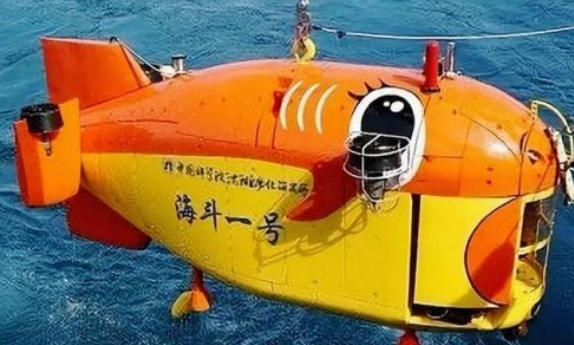
New details: Modern underwater robots are equipped with a "smart brain". With advanced AI onboard, they can perform real-time analysis and processing of massive data collected by sensors to achieve precise perception and autonomous decision-making.
The in-depth integration of artificial intelligence, big data and sensor technologies has significantly improved the intelligence and autonomy of underwater robots. Modern underwater robots are equipped with a "smart brain". With advanced AI onboard, they can perform real-time analysis and processing of massive data collected by sensors to achieve precise perception and autonomous decision-making. For example, in complex seabed environments, they can rapidly identify different targets such as shipwreck debris and fish, with greatly enhanced target recognition accuracy compared with earlier models. An underwater robot developed in the United States achieved a recognition accuracy of over 95% for common marine organisms and geological features during target recognition tests in specific sea areas. In terms of autonomous navigation, through acoustic navigation and advanced SLAM (Simultaneous Localization and Mapping) algorithms, underwater robots can independently plan safe and efficient travel paths in deep waters where GPS signals are unavailable.
Another product, the Yunfan portable underwater robot, constructs high-precision maps via algorithms during inspection missions, delivering a navigation accuracy of ±0.1%. It effectively guarantees the accuracy and reliability of inspection work. Under complex ocean current and terrain conditions, it can follow cable tracks precisely, promptly detecting cable damage, corrosion and other defects, thereby improving operational efficiency.